Nutritional information
Per-100g nutrition tables, NOVA processing scores, hidden sugar counts, and glucose impact ratings for the UK's most-searched foods. Every number comes from real Tesco product data.
Chicken Breast
115 kcalChicken breast is one of the leanest mainstream protein sources, delivering around 21-24g of protein per 100g with virtually zero carbohydrates. From a SpikeSaver perspective, plain chicken breast has no glucose impact whatsoever — zero carbs means zero blood sugar response. The only thing to watch is processed variants like breaded or stuffed chicken breasts, which add carbs, sugar, and UPF markers.
Eggs
131 kcalEggs are a nutrient-dense whole food delivering 131 kcal and 12.6g of protein per 100g, with virtually zero carbohydrates. From a SpikeSaver perspective, eggs have almost no glucose impact — they contain less than 0.1g of carbohydrate per 100g, making them one of the safest foods for blood sugar management. Every egg product we checked at Tesco scored NOVA 1.
Guinness
35 kcalGuinness Draught contains approximately 35 kcal per 100ml (about 198 kcal per pint), making it one of the lower-calorie beers by volume. It is brewed from just four core ingredients — water, malted barley, hops, and yeast — which places standard Guinness at NOVA 2 (processed culinary ingredient). The alcohol itself is a significant calorie source with no nutritional benefit. Guinness 0.0 offers a zero-alcohol alternative, though Tesco's product pages provide limited nutrition data for most Guinness lines.
Apple
56 kcalApples provide around 53-56 kcal per 100g with 11.6g of carbohydrates, almost all of which is sugar. From a SpikeSaver perspective, apples are one of the better fruits for blood sugar — their low-medium GI of approximately 36 is helped by a decent fibre content that slows sugar absorption. All fresh apples at Tesco are NOVA 1, and every variety we checked had near-identical nutrition.
Peas
97 kcalGarden peas are a surprisingly protein-rich vegetable, providing 6.9 g of protein per 100 g alongside 5.3 g of fibre. At 97 kcal per 100 g for frozen peas, they are moderately low in calories with a low-medium glycaemic index of around 48. Fresh and frozen peas are NOVA 1, while canned and mushy peas move to NOVA 2 due to processing with water and salt.
Weetabix
362 kcalWeetabix Original is a wheat biscuit cereal providing around 362 kcal per 100g with 12g protein, 10g fibre, and a moderate sugar content of 4.2g per 100g. With just 7 ingredients (wholegrain wheat, malted barley extract, sugar, salt, niacin, iron, folic acid), original Weetabix is NOVA 3 (processed) with zero UPF markers — a rare clean cereal. However, the GI is medium-high at around 69, so pairing with protein or fat is recommended. Chocolate and Crispy Minis variants are NOVA 4 due to added emulsifiers and flavourings.
Dates
291 kcalDates are one of the most sugar-dense whole foods available, with Medjool dates containing 63-68 g of sugar per 100 g and up to 304 kcal. Despite being a NOVA 1 whole food, their high glycaemic index (55-70) and extreme sugar concentration mean they deliver a significant blood sugar spike. Dates do provide useful fibre (6-9 g per 100 g) and minerals, but portion control is essential.
Feta Cheese
279 kcalFeta is a brined Greek cheese that is lower in calories and fat than cheddar but notably higher in salt. A typical feta provides around 279 kcal per 100 g with 23 g of fat and 17 g of protein. It contains virtually no carbohydrate, making it a low-GI food with minimal blood sugar impact.
Avocado
198 kcalAvocados are a nutrient-dense fruit with 198 kcal per 100 g, driven almost entirely by healthy monounsaturated fats (19.5 g per 100 g). They contain virtually no sugar (0.5 g per 100 g) and have a very low glycaemic index of approximately 15, making them one of the best foods for stable blood sugar. With 3.4 g of fibre per 100 g, avocados are filling and slow to digest.
Banana
90 kcalBananas provide 90 kcal per 100g with 20.3g of carbohydrates, of which 18.1g are sugars — making them one of the higher-sugar fruits. From a SpikeSaver perspective, bananas have a medium GI of around 51, meaning they produce a moderate glucose response. Ripeness matters: a green banana has more resistant starch and a lower GI, while a very ripe banana converts that starch to sugar, raising GI significantly.
Butternut Squash
42 kcalButternut squash is a low-calorie vegetable with just 42 kcal per 100 g. It is a good source of beta-carotene (vitamin A precursor), fibre and potassium, with moderate carbohydrate content (8.3 g per 100 g). It has a medium glycaemic index of around 51 and is classified as NOVA 1 when bought whole or pre-cut.
Cheddar Cheese
415 kcalCheddar cheese is a calorie-dense, high-fat, high-protein food with virtually no carbohydrates. A typical block of cheddar provides around 415 kcal per 100 g, with 34 g of fat (mostly saturated) and 25 g of protein. It is an excellent source of calcium but is high in saturated fat and salt, so portion control matters.
Strawberries
33 kcalFresh strawberries are remarkably low in calories at just 33 kcal per 100 g, with only 6.1 g of sugar. They have a low glycaemic index of around 40, making them one of the most blood-sugar-friendly fruits available. Strawberries are an excellent source of vitamin C and contain no hidden sugars or ultra-processed ingredients in their whole form.
Mashed Potatoes
94 kcalMashed potato typically provides 80–108 kcal per 100 g depending on preparation, with 15–17 g of carbohydrate, modest protein (2 g) and low fat (1.6–3.6 g). It has a high glycaemic index of 83–87, making it one of the fastest glucose-spiking common foods. Homemade mash is NOVA 1, but instant and ready-made versions often contain additives that push them to NOVA 3–4.
Peanuts
584 kcalPeanuts are one of the most calorie-dense common snacks at around 584 kcal per 100g, but they pack serious nutritional value — 25.8g of protein, 8.6g of fibre, and a very low glycaemic index of around 14. From a SpikeSaver perspective, plain peanuts are excellent: virtually no blood sugar impact, high satiety, and NOVA 1. The problems start with dry-roasted (14 ingredients, NOVA 3) and especially flavour-coated varieties (26-30 ingredients, NOVA 4) which add modified starch, flavourings, and significantly more salt.
Salmon
166 kcalSalmon is an excellent source of high-quality protein (20-26 g per 100 g) and omega-3 fatty acids. Fresh salmon fillets contain around 166-200 kcal per 100 g with virtually zero carbohydrate, meaning zero glucose impact. Smoked salmon is higher in salt but retains similar macronutrients. Fresh fillets are NOVA 1 while smoked varieties are NOVA 2-3.
Green Beans
31 kcalGreen beans are one of the lowest-calorie vegetables you can buy, delivering just 31 kcal per 100g with a solid 3.4g of fibre. From a SpikeSaver perspective, green beans are essentially glucose-neutral — with only 3.1g of carbohydrate per 100g and a GI of around 15, they cause virtually no blood sugar response. They are a NOVA 1 whole food in their fresh form, though tinned versions in water remain NOVA 1 too. The prepared side-dish variants with butter sauces push into NOVA 3 territory.
Hummus
264 kcalHummus is a chickpea-based dip typically made from chickpeas, tahini, olive or rapeseed oil, lemon juice, and garlic. It delivers a decent protein hit (5-6g per 100g) but is calorie-dense due to the oil and tahini — most shop-bought versions clock in at 250-305 kcal per 100g. From a SpikeSaver perspective, hummus has a low GI of around 25 thanks to the chickpea base and fat content slowing digestion. However, all shop-bought hummus is NOVA 3 (processed) at minimum, and flavoured varieties may contain additional sugar aliases or preservatives. The key ingredients to watch are rapeseed oil quantity and any added sugars in flavoured variants.
Pear
51 kcalPears provide around 51 kcal per 100g with 10.9g of carbohydrates and an impressive 2.7g of fibre — one of the highest fibre counts among common fruits. From a SpikeSaver perspective, pears are excellent: a low GI of approximately 38 combined with high soluble fibre means a gentle, slow glucose response. All fresh pears at Tesco are NOVA 1.
Pistachios
581 kcalPistachios are one of the highest-protein nuts at 24.9g per 100g, with excellent fibre (11.6g) and a very low GI of around 15. At 581-582 kcal per 100g they are calorie-dense, but the in-shell format naturally slows eating speed and reduces portion size. Tesco sells both plain and roasted/salted varieties — plain pistachios are NOVA 1, while roasted and salted are NOVA 3 with just two ingredients (pistachio nuts and salt).
Sunflower Seeds
599 kcalSunflower seeds are a nutrient-dense seed delivering 599 kcal per 100g, with 19.8g protein, 47.5g of predominantly healthy unsaturated fats, and an impressive 9.1g fibre. They are one of the best natural sources of vitamin E. With a low GI of around 35 and just 1.7g sugar per 100g, they have minimal blood glucose impact. Tesco's plain sunflower seeds are a single ingredient — NOVA 1 with zero additives.
Whole Milk
66 kcalWhole milk provides around 66 kcal per 100 ml with a balanced profile of fat (3.7 g), protein (3.5 g) and carbohydrate (4.7 g). All of the sugar in plain whole milk is naturally occurring lactose — there are no added sugars. It is a NOVA 1 unprocessed food with a low glycaemic index of around 27.
Raspberries
34 kcalRaspberries are one of the best fruits for blood sugar management, delivering just 34 kcal per 100g with an impressive 3.7g of fibre — more fibre than sugar in many cases. From a SpikeSaver perspective, raspberries have a low GI of approximately 25, and their high fibre content means the sugars they do contain are released slowly. They are a NOVA 1 whole food when bought fresh, with zero additives. Among common fruits, raspberries have one of the lowest sugar-to-fibre ratios, making them a smart choice for anyone watching glucose levels.
Chia Seeds
422 kcalChia seeds are a nutritional powerhouse — 33.8g of fibre, 23.9g of protein, and 27.7g of fat (mostly omega-3) per 100g, with only 2.4g of net carbohydrate. From a SpikeSaver perspective, chia seeds are essentially glucose-invisible: a GI of approximately 1 means they produce virtually zero blood sugar response. The extremely high fibre content (more than any common food per 100g) actually slows the absorption of other foods when eaten together. They are NOVA 1 — a single-ingredient whole seed with no processing required.
Lettuce
14 kcalLettuce is one of the lowest-calorie foods in existence — just 14 kcal per 100g for most varieties (butterhead, romaine, little gem). It is roughly 95% water by weight, with minimal macronutrients across the board: 1.4g carbohydrate, 1.2g protein, and 0.1g fat per 100g. From a SpikeSaver perspective, lettuce has a negligible glycaemic index — the carbohydrate content is so low that it produces essentially zero blood sugar response. It is a NOVA 1 whole food with no processing involved.
Sweet Potato
97 kcalSweet potato is a nutrient-dense root vegetable delivering around 97 kcal per 100g with 21.3g of carbohydrate. It is an excellent source of beta-carotene (the orange pigment that converts to vitamin A). From a SpikeSaver perspective, sweet potato sits in the medium GI range — around 63 when boiled, but this varies significantly with cooking method. Baking raises the GI considerably as heat converts starches to sugars (note the jump from 5.7g to 11.6g sugars per 100g between raw and baked). Sweet potato is NOVA 1 as a whole vegetable, though mash and falafel versions are processed.
Vanilla Extract
293 kcalVanilla extract is a NOVA 2 processed culinary ingredient — it is not eaten on its own but used in tiny quantities to flavour other foods. Per 100g it appears calorie-dense at around 293 kcal with 73g of carbohydrate, but a typical serving is just 1 teaspoon (5ml), which delivers only about 15 kcal. The critical distinction for SpikeSaver is between genuine vanilla extract and vanilla flavouring: real extract is NOVA 2 (a processed culinary ingredient made from vanilla pods and alcohol), while synthetic vanilla flavouring is NOVA 4 (an ultra-processed additive made from vanillin, a synthetic compound).
Almond Milk
15 kcalAlmond milk (sold as 'almond drink' in the UK) is a very low calorie dairy alternative at just 15-26 kcal per 100ml for unsweetened versions. From a SpikeSaver perspective, unsweetened almond milk contains only 0.4-0.5g of carbohydrates per 100ml — essentially zero glucose impact. However, most commercial almond milks are NOVA 4 (ultra-processed) because they contain emulsifiers, stabilisers (locust bean gum, gellan gum), and fortification additives. The almond content is typically only 2-4%. Sweetened versions add significant sugar and should be avoided if managing blood glucose.
Cucumbers
16 kcalCucumber is one of the lowest-calorie foods available at just 16 kcal per 100g, made up of around 95% water. From a SpikeSaver perspective, cucumbers are essentially glucose-neutral — with only 1.2g of carbohydrates per 100g and a negligible glycaemic impact, they will not raise blood sugar in any meaningful way. A whole cucumber contains fewer calories than a single digestive biscuit. The only thing to watch is cucumber-based products with dips or dressings, which add fat, sugar, and sometimes UPF markers.
Iceberg Lettuce
14 kcalIceberg lettuce is one of the lowest-calorie foods you can buy, delivering just 14 kcal per 100g. It is almost entirely water (around 96%) with minimal macronutrient content. From a SpikeSaver perspective, iceberg lettuce has a negligible glycaemic impact — 1.4g of carbs per 100g means virtually zero blood sugar response. It is nutritionally less dense than darker leafy greens like spinach or romaine, but its crunch and neutral flavour make it a popular base for salads and burgers across the UK.
Nuts
631 kcalMixed nuts are one of the most calorie-dense whole foods available, ranging from 561-649 kcal per 100g depending on the mix. They are high in healthy fats (41-58g per 100g), provide substantial protein (20-25g per 100g), and are a good source of fibre. From a SpikeSaver perspective, plain unsalted nuts have a low glycaemic index (~15-25) and their high fat and fibre content slows glucose absorption. However, the calorie density means portion control matters — a small 30g handful already provides around 190 kcal. Watch for roasted and salted varieties which add NOVA processing, and nut mixes with raisins which add significant sugar.
Popcorn
492 kcalPopcorn spans a wide processing spectrum. Plain popping corn kernels are NOVA 1 and a whole grain with decent fibre, but nearly all pre-popped popcorn sold at Tesco is NOVA 4 (ultra-processed) due to added oils, sugar, salt, and emulsifiers like lecithins. Calorie content varies dramatically: air-popped plain kernels provide around 375 kcal/100g, while sweet pre-popped versions hit 492-506 kcal/100g with 20-23g of sugar. From a SpikeSaver perspective, popcorn has a medium glycaemic index (~55) and the pre-popped sweet varieties deliver a significant sugar load that will cause a noticeable glucose spike.
Sardines
220 kcalSardines are a nutrient-dense oily fish, high in protein (17-23g per 100g), rich in omega-3 fatty acids, and an excellent source of calcium when eaten with bones. Canned sardines are NOVA 2 (processed culinary ingredient) as they are preserved in oil, water, or sauce. From a SpikeSaver perspective, sardines in oil or water contain zero carbohydrates and have no blood sugar impact whatsoever. The main thing to watch is sardines in tomato sauce, which can contain added sugar and push carbs up to 1.5-5.7g per 100g.
Dark Chocolate
546 kcalDark chocolate is a calorie-dense food at around 530-550 kcal per 100g, but its glucose impact varies enormously depending on cocoa percentage. A 70% cocoa dark chocolate contains roughly 30g of sugar per 100g, while standard milk chocolate hits 55g+ — nearly double. From a SpikeSaver perspective, the higher the cocoa content, the lower the sugar and the better the blood sugar response. Most dark chocolate bars are NOVA 3-4 due to processing, with common additives including soya lecithin (emulsifier) and flavourings. The fat content is high but predominantly from cocoa butter.
Dragon Fruit
60 kcalDragon fruit (pitaya) is a tropical fruit providing around 60 kcal per 100g with moderate sugar content (9g) and good fibre (3g). From a SpikeSaver perspective, it has a low glycaemic index of approximately 48, meaning it produces a relatively gentle blood sugar response for a fruit. It is NOVA 1 when fresh. Note: Tesco does not consistently stock fresh dragon fruit — the batch data primarily returned smoothie and drink products containing dragon fruit as an ingredient rather than the whole fruit itself. Nutritional values below are based on USDA reference data for fresh dragon fruit.
Oysters
81 kcalOysters are a nutrient-dense shellfish providing around 81 kcal per 100g with 9g of protein and exceptionally high levels of zinc (78mg per 100g — over 700% of the daily recommended intake). From a SpikeSaver perspective, oysters contain only around 5g of carbohydrates per 100g, producing a very low glucose response. Fresh oysters are NOVA 1. Note: Tesco's range for actual oysters is extremely limited — batch data mostly returned Oyster Bay wines (not food). The one genuine oyster product found was John West Smoked Oysters in sunflower oil. Nutritional values below are based on USDA reference data for raw Pacific oysters.
Quinoa
141 kcalQuinoa is a pseudocereal that stands out for being a complete protein — it contains all nine essential amino acids, which is unusual for a plant-based food. Cooked quinoa provides 141 kcal per 100g with 4.3g protein, 22.7g carbs, and 4.2g fibre. From a SpikeSaver perspective, quinoa has a low-medium glycaemic index (~53), which is lower than white rice (~73) and similar to brown rice (~50). Its fibre and protein content help moderate the blood sugar response compared to refined grains. All quinoa products at Tesco are NOVA 1 (unprocessed).
Tomatoes
20 kcalTomatoes are one of the lowest-calorie whole foods available, delivering just 17-26 kcal per 100g depending on variety. From a SpikeSaver perspective, they are essentially glucose-neutral with a GI of around 15 and only 3-4g of carbohydrates per 100g. Fresh tomatoes are NOVA 1, while canned or tinned varieties move to NOVA 2 due to minimal processing (heat treatment, added tomato juice). Tomatoes are also one of the richest dietary sources of lycopene, a powerful antioxidant linked to heart health and reduced inflammation.
Turkey Breast
118 kcalTurkey breast is one of the leanest protein sources available, delivering 24-25g of protein per 100g with virtually zero carbohydrates and only 1.7-2.2g of fat. From a SpikeSaver perspective, fresh turkey breast has zero glucose impact — no carbs means no blood sugar response. It is nutritionally very similar to chicken breast but slightly leaner and higher in protein. The main thing to watch is deli-sliced and processed variants, which add salt, stabilisers, and acidity regulators that push them to NOVA 3.
Zucchini
20 kcalZucchini (known as courgette in the UK) is one of the lowest-calorie vegetables available, providing just 20 kcal per 100g. From a SpikeSaver perspective, it is essentially glucose-neutral — with only 1.8g of carbohydrates per 100g and a negligible glycaemic index, it produces virtually no blood sugar response. Fresh courgettes are NOVA 1 and a single-ingredient food. Popular as a low-carb pasta alternative (courgetti/zoodles), zucchini is an excellent volume food for anyone watching calories or blood sugar.
Baked Potato
107 kcalA baked potato is one of the most common meals in the UK — cheap, filling, and perceived as healthy. From a SpikeSaver perspective, however, baked potatoes are one of the highest-GI common foods, with a glycaemic index of 85-93 depending on variety. A single large baked potato delivers around 56.5g of carbohydrates, almost all of which converts rapidly to glucose. The NOVA score is 1 for a plain baked potato (just potato), but the toppings people add — butter, cheese, baked beans — change the overall picture significantly.
Eggplant (Aubergine)
20 kcalEggplant — known as aubergine in the UK — is one of the lowest-calorie vegetables available, at just 20 kcal per 100g. From a SpikeSaver perspective, it is essentially glucose-neutral: very low carbohydrates (2.2g per 100g), a very low GI, and zero processing in its whole form (NOVA 1). It is rich in fibre relative to its calorie content and contains virtually no fat, sugar, or salt. The main nutritional watch-point is prepared aubergine dishes (bakes, quiches, pickles) which can be significantly higher in calories and processing level.
Flour
340 kcalPlain white flour is a pantry staple delivering around 340 kcal per 100g, with high carbohydrate content (~70g) and moderate protein (~10g). From a SpikeSaver perspective, white flour has a high GI of around 71 and is rapidly converted to glucose during digestion. It is rarely consumed on its own — flour is an ingredient in bread, cakes, pastry, and batter — so the glucose impact depends heavily on what you make with it. Wholemeal flour has more fibre and a slightly lower GI, but the difference is modest.
Potatoes
77 kcalPotatoes are a starchy staple delivering around 77 kcal per 100g when boiled, with moderate protein (1.8-2.5g) and virtually no fat. From a SpikeSaver perspective, potatoes are one of the highest-GI whole foods you can eat — boiled white potatoes sit around GI 78, and baked potatoes climb to GI 93. The cooking method matters enormously: cooling cooked potatoes increases resistant starch and lowers the effective GI. New potatoes and waxy varieties tend to spike blood sugar less than floury Maris Pipers or baking potatoes.
Quaker Oats
374 kcalQuaker Oats is the UK's best-known porridge brand, and its plain Rolled Oats product is one of the cleanest breakfast options available — the ingredient list is just '100% Rolled Oats'. At 374 kcal per 100g dry (around 190 kcal per cooked bowl), it delivers 11g protein and 9g fibre per 100g. From a SpikeSaver perspective, plain rolled oats have a medium GI of around 55 thanks to their high beta-glucan fibre content, which forms a gel in the gut that slows glucose absorption. The Oat So Simple range adds sugar, flavourings, and salt, which undermines these benefits.
Rice
144 kcalRice is one of the world's most consumed staples, delivering around 130-165 kcal per 100g when cooked, with high carbohydrate content and very little fat. From a SpikeSaver perspective, the type of rice matters enormously — white long grain rice has a GI of ~73, brown rice drops to ~68, and basmati sits around ~58 due to its higher amylose starch content. Basmati rice is consistently the best choice for blood sugar management among standard rice varieties.
Tofu
106 kcalTofu is a high-protein, low-carbohydrate plant-based food made from soya beans, delivering around 106-145 kcal per 100g depending on firmness. From a SpikeSaver perspective, plain tofu is exceptional — it has virtually zero glycaemic impact with only 1-2g of carbs per 100g and no sugar to speak of. With 11-17g of protein per 100g and negligible carbohydrates, it is one of the safest foods for blood sugar management in the entire supermarket.
Turkey Bacon
116 kcalTurkey bacon is a processed meat product marketed as a lower-fat alternative to pork bacon, delivering around 116-204 kcal per 100g depending on the brand. From a SpikeSaver perspective, turkey bacon has zero glycaemic impact — there are virtually no carbohydrates. However, it is firmly NOVA 3 (processed) due to curing, smoking, added salt, and stabilisers like sodium tripolyphosphate. It offers high protein (16-24g per 100g) with significantly less fat than traditional pork bacon, but the high salt content (2.1-2.9g per 100g) is a concern.
Watermelon
33 kcalWatermelon is a hydrating, low-calorie fruit delivering just 30-33 kcal per 100g — over 90% of it is water. From a SpikeSaver perspective, watermelon has a misleadingly high GI of around 72, which often alarms people. But the glycaemic load (GL) per serving is actually low (~5 per 120g serving) because there are so few carbs per portion. You would need to eat nearly 700g of watermelon to match the glucose impact of two slices of white bread. This is a classic case where GI alone tells the wrong story.
White Bread
240 kcalWhite bread is one of the most consumed staple foods in the UK, but from a SpikeSaver perspective it is one of the worst offenders for blood sugar. With a GI of around 75 and a NOVA classification of 3-4 for most sliced loaves (containing emulsifiers, preservatives, and added sugars), standard white bread delivers a rapid glucose spike with minimal fibre to slow absorption. Even Tesco's own-brand sliced white contains wheat flour with added calcium carbonate, iron, niacin, and thiamin — plus emulsifiers and preservatives that push it firmly into processed territory.
Coco Pops
387 kcalKellogg's Coco Pops is a chocolate-flavoured puffed rice cereal and one of the UK's best-selling breakfast cereals for children. From a SpikeSaver perspective, it is a textbook ultra-processed food (NOVA 4) with a high GI of approximately 77. The standout concern is sugar: Coco Pops contains around 35g of sugar per 100g, and the ingredient list reveals up to 8 different sugar aliases — sugar, glucose syrup, caramel sugar syrup, invert sugar syrup, barley malt flavouring, dextrose, chocolate (which itself contains sugar), and cocoa. This fragmentation of sugar across multiple names is a key SpikeSaver differentiator: the total sugar load is disguised by splitting it into separately listed ingredients.
Honey
331 kcalHoney is one of nature's most concentrated sugar sources — approximately 82g of sugars per 100g, delivering around 330 kcal. From a SpikeSaver perspective, honey presents an interesting paradox: it is classified as NOVA 1 (unprocessed) for pure honey, yet it is almost entirely sugar. The GI is moderate-to-high at approximately 55-58, lower than table sugar (GI ~65) due to its higher fructose content. The key SpikeSaver insight: 'natural' does not mean 'low sugar'. A tablespoon of honey contains roughly 17g of sugar — more than many people realise when drizzling it on porridge or into tea.
Lima Beans
103 kcalLima beans — known as butter beans in the UK — are a low-GI legume delivering around 100 kcal per 100g cooked, with 7g of protein and good fibre. From a SpikeSaver perspective, their GI of approximately 31 makes them one of the gentlest carbohydrate sources for blood sugar. No products were found under 'lima beans' in Tesco batches because Tesco sells them as 'butter beans' — the same species (Phaseolus lunatus). Dried butter beans are NOVA 1 (unprocessed); canned versions are NOVA 2 (processed culinary ingredient) due to cooking in salted water.
Nutritional Yeast
345 kcalNutritional yeast is a deactivated yeast sold as flakes or powder, popular with vegans as a cheese flavour substitute and valued for its exceptionally high protein and B-vitamin content. At approximately 47g of protein per 100g, it rivals whey protein powder. From a SpikeSaver perspective, nutritional yeast is NOVA 2 (processed culinary ingredient) — the yeast is grown, harvested, deactivated, and dried. It has a low GI and moderate carbohydrate content (19g/100g) with very high fibre (20g/100g). Tesco stocks only one product in this category: Marigold Engevita B12 Yeast Flakes.
Peanut Butter
630 kcalPeanut butter is a nutrient-dense spread delivering around 25g of protein and 50g of fat per 100g, with approximately 625 kcal. From a SpikeSaver perspective, peanut butter is one of the best-performing common foods: it has a very low GI of approximately 14, meaning it causes virtually no blood sugar spike. The critical distinction is between whole-nut peanut butter (100% peanuts, NOVA 1) and standard peanut butter (NOVA 3-4, with added palm oil, sugar, and salt). Tesco's own-brand varieties contain roasted peanuts plus added sugar, palm oil, and salt — pushing them to NOVA 3.
Red Grapes
73 kcalRed grapes are a NOVA 1 whole fruit that deliver around 73 kcal per 100g with 17g of sugars — making them one of the higher-sugar fruits alongside bananas and cherries. Their glycaemic index is medium at around 46-53, meaning they cause a moderate blood sugar rise. From a SpikeSaver perspective, grapes are easy to overeat because of their small size and intense sweetness — a typical 80g portion (about 12 grapes) contains 13.6g of sugar. Only two red grape products were found at Tesco, both plain whole fruit with identical nutrition.
Sugar
400 kcalSugar is a processed culinary ingredient that is essentially pure carbohydrate — 100g of sugar contains approximately 100g of carbs and 400 kcal, with virtually no other nutrients. From a SpikeSaver perspective, sugar is the benchmark for glucose impact: a very high GI of around 65 means it hits your bloodstream fast. All common types — granulated, caster, demerara, muscovado, icing — are nutritionally near-identical. The differences are texture, colour, and trace minerals in brown varieties, but the glucose response is functionally the same across all of them.
Bacon
200 kcalBacon is a NOVA 3 processed meat — pork cured with salt and preserved with nitrites (sodium nitrite or potassium nitrate). It delivers around 167-268 kcal per 100g depending on the cut (back vs streaky), with virtually zero carbohydrates but very high salt content averaging 2.5-3.0g per 100g. From a SpikeSaver perspective, bacon has no glucose impact whatsoever — zero carbs means zero blood sugar response. The health concern with bacon is not blood sugar but rather the salt, saturated fat, and nitrite preservatives. This is the nutrition-focused companion to the /is/bacon processing analysis.
Blueberries
45 kcalBlueberries are a NOVA 1 whole fruit delivering around 45-61 kcal per 100g with 9.1g of sugars and notable antioxidant content (anthocyanins). From a SpikeSaver perspective, blueberries have a low GI of approximately 53, making them one of the more blood-sugar-friendly fruits. They are lower in sugar than grapes (17g) and bananas (12g), and their anthocyanin content may actually help improve insulin sensitivity. Tesco stocks a wide range of fresh blueberry products at various sizes and price points.
Mango
60 kcalMango is a naturally sweet tropical fruit delivering around 60 kcal per 100g, with roughly 14g of sugars almost entirely from fructose and glucose. It has a medium glycaemic index of approximately 51, which means it will produce a moderate blood sugar rise — noticeably more than most berries but less than dried tropical fruits. A whole fresh mango is NOVA 1, but dried mango concentrates the sugars dramatically (over 50g per 100g) and some shop-bought versions add extra sugar or sulphites, pushing them to NOVA 3-4.
Spinach
19 kcalSpinach is a NOVA 1 leafy green vegetable delivering just 19-23 kcal per 100g with virtually no impact on blood sugar. From a SpikeSaver perspective, spinach is one of the safest foods you can eat — negligible carbohydrates (0.2g/100g) mean its glycaemic index is effectively irrelevant. It is exceptionally rich in iron, vitamin K, folate, and vitamin A. Baby spinach and regular spinach are nutritionally very similar, with baby spinach being slightly more tender and milder in flavour.
Cantaloupe
34 kcalCantaloupe melon is a low-calorie fruit at roughly 34 kcal per 100g, notable for being exceptionally high in vitamin A (as beta-carotene, giving it its orange colour) and a decent source of vitamin C. It has a medium glycaemic index of around 65, which is higher than many fruits, but its low carbohydrate content (about 8g per 100g) means the actual glycaemic load per serving is still low. A whole fresh cantaloupe is NOVA 1. At Tesco, cantaloupe is sold whole, or as part of pre-cut melon selections.
Kale
33 kcalKale is one of the most nutrient-dense foods available, delivering just 33 kcal per 100g while packing exceptional levels of vitamin K (over 500% of the daily reference intake), vitamin C, and iron. It has a negligible glycaemic index because its carbohydrate content is extremely low at around 1.4g per 100g, almost all of which is fibre. From a SpikeSaver perspective, kale is about as blood-sugar-safe as food gets. The only watch-out is prepared kale products with added butter, cheese, or dressings that transform the nutritional profile entirely.
Lentils
116 kcalLentils are one of the best plant-based protein sources, delivering around 9g of protein and 116 kcal per 100g when cooked, alongside excellent fibre (around 5-6g per 100g). They have a low glycaemic index of approximately 29, meaning they produce a slow, gentle blood sugar rise despite their carbohydrate content. Dried lentils are NOVA 1, and canned lentils in water are NOVA 2 — the canning process with water counts as minimal processing. Lentils come in several varieties (red, green, Puy, brown) with slightly different textures and cooking properties but very similar nutritional profiles.
Coke Zero
0.3 kcalCoca-Cola Zero Sugar is a zero-calorie soft drink that delivers the classic Coke taste using artificial sweeteners instead of sugar. From a SpikeSaver perspective, it has zero carbohydrates and zero sugar, so it will not raise blood glucose at all. However, it is firmly NOVA 4 (ultra-processed) due to its reliance on aspartame, acesulfame K, phosphoric acid, caramel colour, and industrial flavourings. Zero calories does not mean zero processing — this is one of the most chemically engineered drinks on the shelf.
Edamame
122 kcalEdamame (young soybeans) are a high-protein vegetable delivering around 11g of protein per 100g alongside 122 kcal — making them one of the most protein-dense plant foods you can eat. They have a very low glycaemic index due to their high protein, fat, and fibre content relative to their modest carbohydrate load. Plain frozen edamame is NOVA 1. Edamame provides a complete protein (all essential amino acids), which is rare among plant foods, making it particularly valuable for vegetarians and vegans.
Guacamole
160 kcalGuacamole is an avocado-based dip providing around 160 kcal per 100g, with most calories coming from the healthy monounsaturated fats in avocado. It has a low glycaemic index due to its high fat and fibre content and very low carbohydrate load. Homemade guacamole (avocado, lime, onion, coriander, salt) is NOVA 1, but shop-bought versions from Tesco are typically NOVA 3 due to preservatives, citric acid, and stabilisers. The biggest difference between homemade and shop-bought is the ingredient list — Tesco's own guacamole dips contain considerably more additives than you would use at home.
Onions
40 kcalOnions are a low-calorie kitchen staple at around 40 kcal per 100g, used as a flavour base in countless dishes. They have a very low glycaemic index of approximately 10 and minimal impact on blood sugar. Onions come in several varieties — brown (most common, all-purpose), red (slightly milder, good raw in salads), white (sharper, crisp), and spring onions (mild, eaten raw) — all with very similar nutritional profiles. All raw onions are NOVA 1. The sugars in onions (about 5-6g per 100g) are naturally occurring and caramelise when cooked, but the amounts used in typical recipes are too small to cause glucose concern.
Asparagus
28 kcalAsparagus is a nutrient-dense, low-calorie vegetable providing around 28 kcal per 100g with excellent levels of folate and vitamin K. From a SpikeSaver perspective, asparagus is almost invisible to blood glucose — it has just 2g of carbohydrates per 100g and a negligible glycaemic index. It is a NOVA 1 (unprocessed) single-ingredient whole food with no additives, making it one of the cleanest vegetables you can buy.
Diet Coke
0.4 kcalDiet Coke is a zero-sugar, near-zero-calorie soft drink sweetened with aspartame and acesulfame K. From a SpikeSaver perspective, it has zero carbohydrates and will not raise blood glucose. However, like its sibling Coke Zero, it is firmly NOVA 4 (ultra-processed) — the ingredient list includes phosphoric acid, citric acid, artificial sweeteners, caramel colour, and industrial flavourings. Diet Coke has a slightly different flavour profile to Coke Zero (it was never designed to taste like original Coke) but the nutritional and processing profile is virtually identical.
Lasagna
139 kcalLasagna is a layered pasta dish combining white sauce, meat (or vegetable) ragu, cheese, and pasta sheets. From a SpikeSaver perspective, shop-bought lasagnas are a glucose concern — the refined pasta sheets have a high glycaemic index, and most ready meals at Tesco range from 92-176 kcal per 100g with 11-13g of carbohydrates per 100g. Ready-made versions are typically NOVA 3-4 due to the use of emulsifiers, modified starch, flavourings, and preservatives. Homemade lasagna gives you control over ingredients but the pasta component will still cause a glucose spike.
Vodka
207 kcalVodka is a distilled spirit made from grain or potato, containing approximately 207-222 kcal per 100ml — all from pure alcohol with zero carbohydrates, zero sugar, and zero fat. From a SpikeSaver perspective, neat vodka has no glycaemic impact whatsoever because it contains no carbs. It is classified as NOVA 2 (processed culinary ingredient) since distillation is a traditional processing method applied to a simple base of grain or potato and water. The danger comes from mixers: a vodka and Coke adds 35g of sugar, while a vodka and tonic adds 8-18g depending on brand.
Mushrooms
8 kcalMushrooms are one of the lowest-calorie foods available, providing just 8-18 kcal per 100g depending on the variety. From a SpikeSaver perspective, they are virtually invisible to blood glucose — with only 0.2-0.3g of carbohydrates per 100g, the glycaemic impact is negligible. All fresh mushrooms are NOVA 1 (unprocessed), and they are one of the only non-animal food sources of vitamin D (when exposed to UV light). This page covers button, chestnut, portobello, and shiitake varieties, all available at Tesco.
Semi-Skimmed Milk
50 kcalSemi-skimmed milk is the UK's most popular milk, containing 1.8% fat compared to 3.6% in whole milk. It provides around 50 kcal per 100ml with 3.6g of protein and 4.8g of carbohydrates (all lactose). From a SpikeSaver perspective, semi-skimmed milk has a low glycaemic index of approximately 27 — the combination of protein, fat, and lactose (a slow-digesting sugar) means it produces only a modest blood glucose response. It is NOVA 1 (unprocessed) in its standard pasteurised form, making it one of the cleanest protein sources available.
Black Beans
132 kcalBlack beans are a high-fibre, high-protein legume delivering around 132 kcal per 100g (dried, cooked) with 8.9g protein and excellent fibre content. From a SpikeSaver perspective, they are one of the best carbohydrate sources available — with a low GI of approximately 30, their combination of resistant starch, soluble fibre, and plant protein creates a very slow, steady glucose response. Dried beans are NOVA 1; canned beans in water are NOVA 2.
Brussels Sprouts
43 kcalBrussels sprouts are a nutrient-dense cruciferous vegetable delivering just 43 kcal per 100g while packing outstanding levels of vitamin C, vitamin K, and dietary fibre. From a SpikeSaver perspective, they are essentially glucose-neutral with a very low GI of around 15 and only 4.1g of carbohydrates per 100g. One of the best vegetables you can eat for micronutrient density per calorie.
Sourdough Bread
238 kcalSourdough bread is a fermented bread made with a live starter culture rather than commercial yeast. At around 238 kcal per 100g with 43g carbohydrates, it is calorie-dense like all bread — but the sourdough fermentation process gives it a genuine SpikeSaver advantage. With a medium GI of approximately 54, sourdough produces a significantly lower blood sugar response than white bread (GI ~75), thanks to organic acids produced during fermentation that slow starch digestion.
Orange
47 kcalOranges are a low-calorie fruit delivering approximately 47 kcal per 100g with very high vitamin C content — a single medium orange provides well over 100% of the daily reference intake. From a SpikeSaver perspective, whole oranges have a low GI of around 43 despite their natural sugar content (8.2g/100g), because the intact fibre matrix slows sugar absorption. The key distinction is between eating a whole orange (low GI, high fibre) and drinking orange juice (high GI, no fibre) — the same fruit in two very different glucose response categories.
Broccoli
34 kcalBroccoli is one of the most nutrient-dense vegetables available, delivering just 34 kcal per 100g while providing excellent levels of vitamin C, vitamin K, and the bioactive compound sulforaphane (linked to anti-cancer and anti-inflammatory benefits). From a SpikeSaver perspective, broccoli is essentially glucose-invisible with a very low GI of approximately 10 and only 1.8g of carbohydrate per 100g. It is one of the safest foods for blood sugar management.
Carrots
41 kcalCarrots are a low-calorie root vegetable at approximately 41 kcal per 100g, best known for their exceptionally high beta-carotene (vitamin A precursor) content. From a SpikeSaver perspective, carrots present a fascinating case: raw carrots have a medium GI of around 47, but cooking dramatically increases the GI to approximately 85 as heat breaks down the cell walls and makes the starches much more accessible. This is one of the biggest raw-vs-cooked GI jumps of any common vegetable.
Restaurant nutrition guides
UPF analysis and hidden sugar detection applied to UK restaurant chain menus. Every page ranks menu items by processing level and identifies the lowest-impact choices.
🍗KFC
KFC's Original Recipe is one of the UK's most-ordered fast food items — but what's actually in the coating? We analysed …
🥖Subway
Subway markets itself as the fresh, healthy fast food alternative. But how does the UK menu hold up under ingredient-lev…

☕Starbucks
Your morning coffee might be doing more damage than your lunch. We analysed Starbucks UK's full drink menu using NOVA cl…
🍔Five Guys
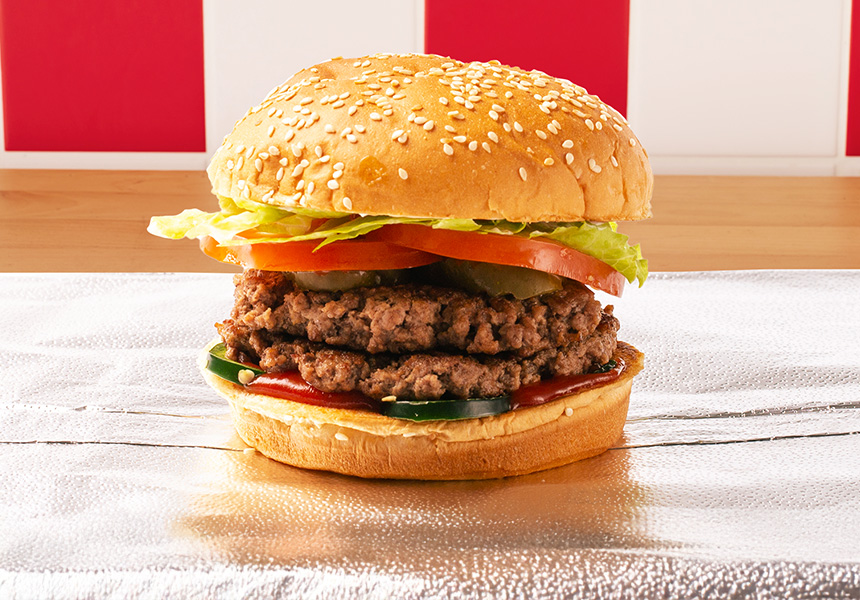
Five Guys sells itself on 'no freezers, no microwaves, fresh ingredients' — which sets a higher bar than most fast food …
🍗Nandos
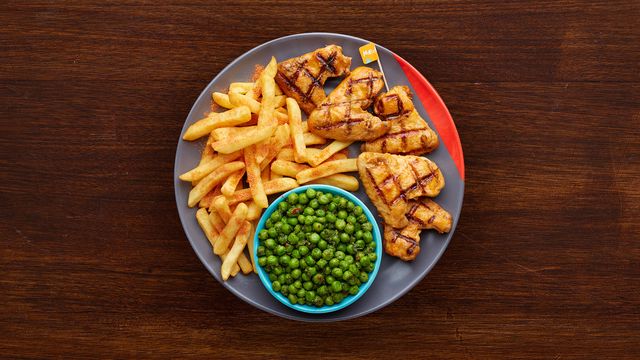
Nandos enjoys a reputation as one of the healthier high street chains — and for good reason. The flame-grilled chicken i…
🍕Pizza Express
Pizza Express positions itself as a step up from takeaway pizza — sit-down dining with a focus on quality ingredients. T…
🌮Taco Bell
Taco Bell's UK expansion has been rapid, but its menu raises questions that calorie counts alone don't answer. The seaso…
🍕Domino's
Domino's is the UK's largest pizza delivery chain with over 1,200 stores. They've made commitments to remove artificial …
🌯Chipotle
Chipotle's brand is built on 'Food with Integrity' — a commitment to responsibly sourced, minimally processed ingredient…
🥐Greggs
Greggs is a UK cultural institution — over 2,400 stores making it the country's largest bakery chain. The Vegan Sausage …
🥗Leon
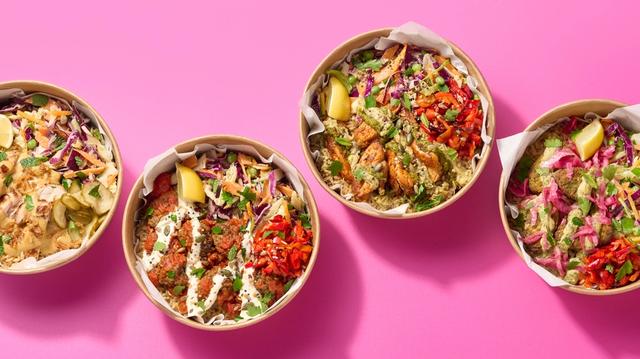
Leon's entire brand is built on the promise of 'Naturally Fast Food' — fresh ingredients, high fibre, gut-friendly choic…
What makes these pages different
Real Tesco data
Nutrition tables sourced directly from Tesco product pages — not generic food databases or averages.
NOVA + sugar layers
Every food is NOVA-scored and checked for hidden sugar aliases — processing insights that generic nutrition sites skip.
Glucose impact
Every page includes a glucose impact rating so you can see which foods are most likely to spike blood sugar.
Check any product
Want to check a specific product?
Paste any ingredient list into our free tools to see NOVA scores and hidden sugars instantly.
See this automatically while you shop Tesco
SpikeSaver shows nutrition data, NOVA scores, hidden sugars, and glucose impact — right on the Tesco product page.
No more switching between tabs. Get everything you need while you browse.
Install Chrome Extension — Free in BetaChrome extension · Free during beta · Works on Tesco.com